Markets
Midstream & PipelinesDownstream & RefiningUtilities & Industrial Infrastructure
Expertise
Commercial Growth & Strategic AccountsCorrosion & Cathodic ProtectionAsset Integrity ManagementAsset PerformanceOperational RiskDigital Transformation & AI
Intelligence
Industry IntelligenceKnowledge LibraryAnalysis & PerspectivesOperational Trust
About
About SOUBELExperienceReading & InfluenceThought PiecesBooks That Stayed
Asset Integrity Management

APPLICATION DOMAINS

Asset Integrity Management across the industrial asset system.

SOUBEL applies AIM thinking across multiple industrial environments, recognizing that asset types, degradation mechanisms, inspection methods, standards, operating conditions, and technical authorities vary while the need for decision continuity remains.

PIPELINES & TRANSMISSION SYSTEMS

Integrity decisions begin with an understanding of the threat.

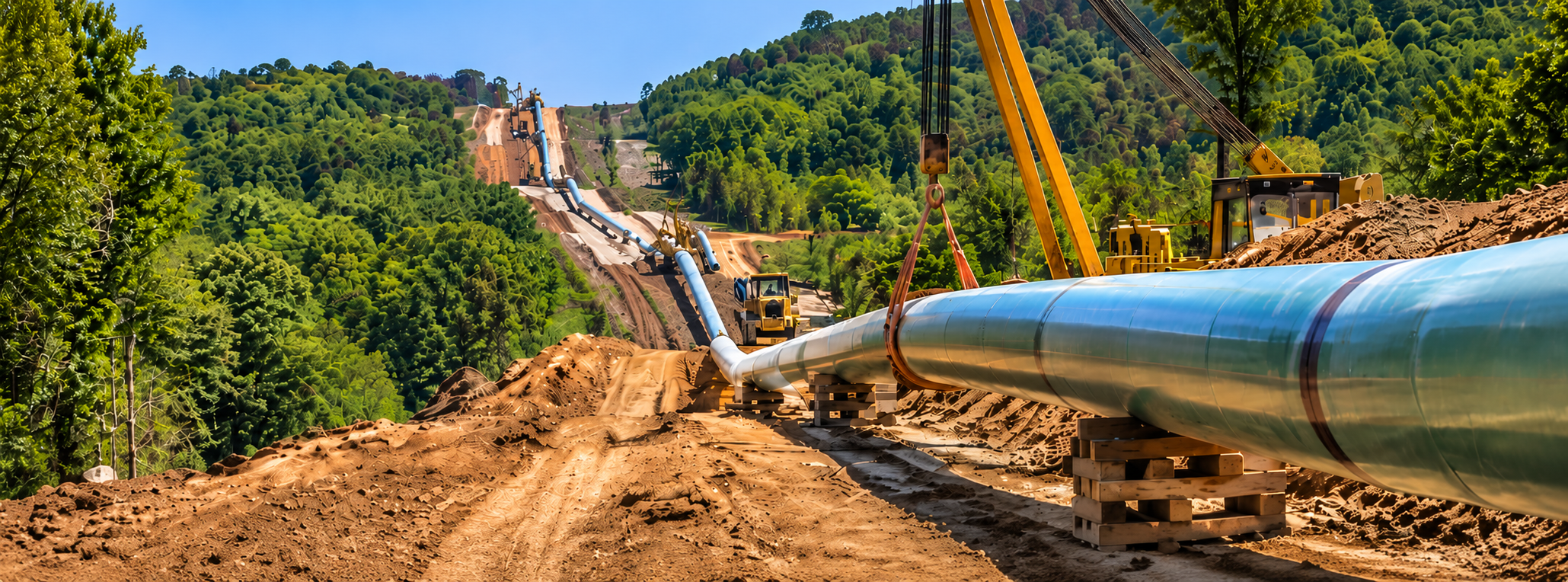
Pipeline systems combine long service lives, changing operating histories, varied environments, associated facilities, and distributed condition information. Integrity decisions may draw on inspection and assessment results, corrosion-control history, operating conditions, material properties, previous repairs, direct examination, testing, monitoring, and consequence information.

REPRESENTATIVE ASSETS

Pipelines and associated facilities

Gathering and transmission pipelines, compressor and pump stations, metering and regulation facilities, crossings, corrosion-control systems, and related infrastructure.

TECHNICAL KNOWLEDGE

Explore Pipeline Integrity

Assessment, ILI, pressure testing, direct assessment, field validation, corrosion, metallurgy, remediation, data, risk, and regulatory context.

TERMINALS, TANK FARMS & STORAGE

Storage and transfer assets create a connected integrity context.

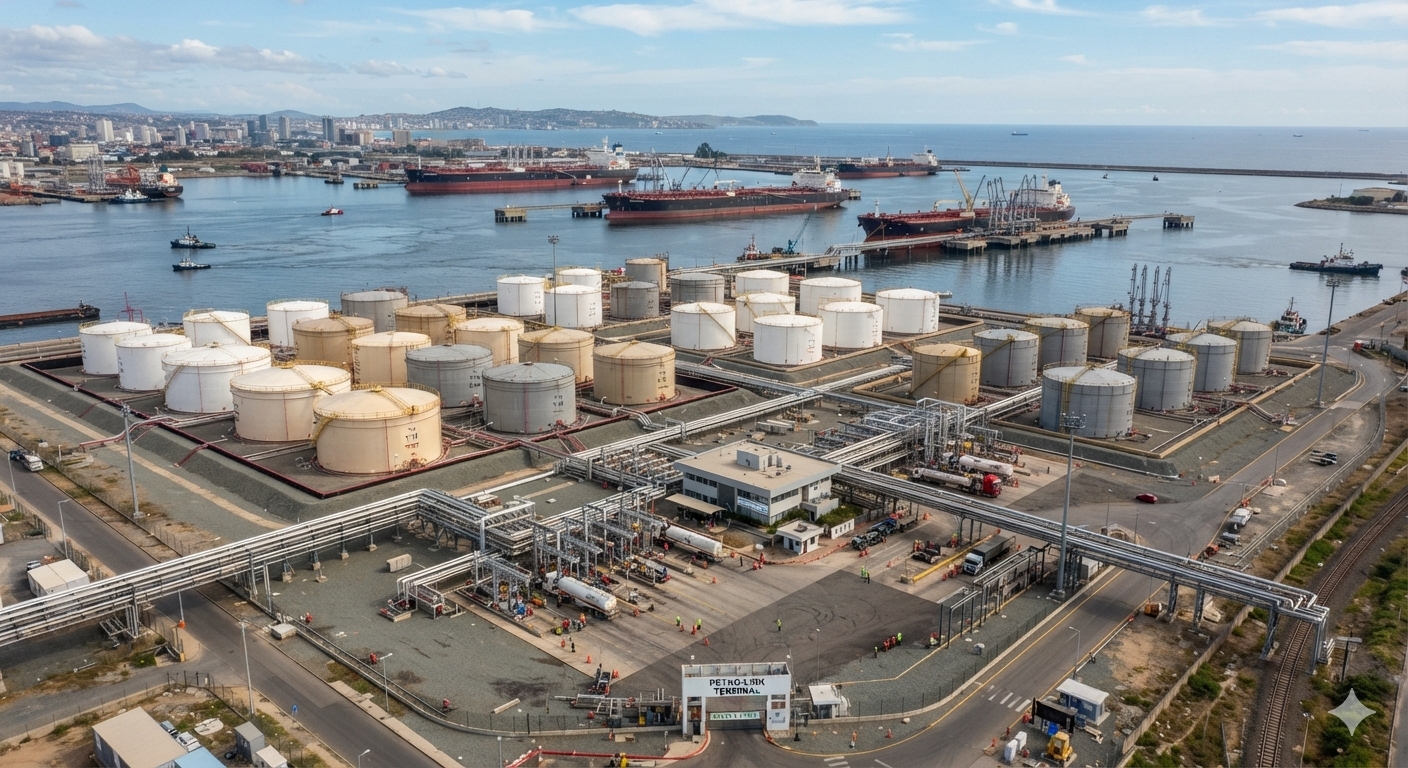
Terminals and tank farms bring together storage, piping, containment, transfer equipment, loading systems, corrosion-control systems, instrumentation, operations, inspection, maintenance, and environmental responsibilities. Condition in one part of the facility can shape the integrity decision elsewhere.

REPRESENTATIVE ASSETS

Storage, transfer, and containment

Aboveground storage tanks, terminal and transfer piping, loading and unloading systems, pumps, secondary containment, corrosion-control and monitoring systems, and supporting infrastructure.
DECISION CONTEXT

The facility operates as a system.

Inspection findings, corrosion history, settlement, operating service, repairs, coatings, material condition, maintenance history, and changing requirements can all influence the response.

PROCESS FACILITIES & FIXED EQUIPMENT

Condition, process, and operating context belong in the same conversation.

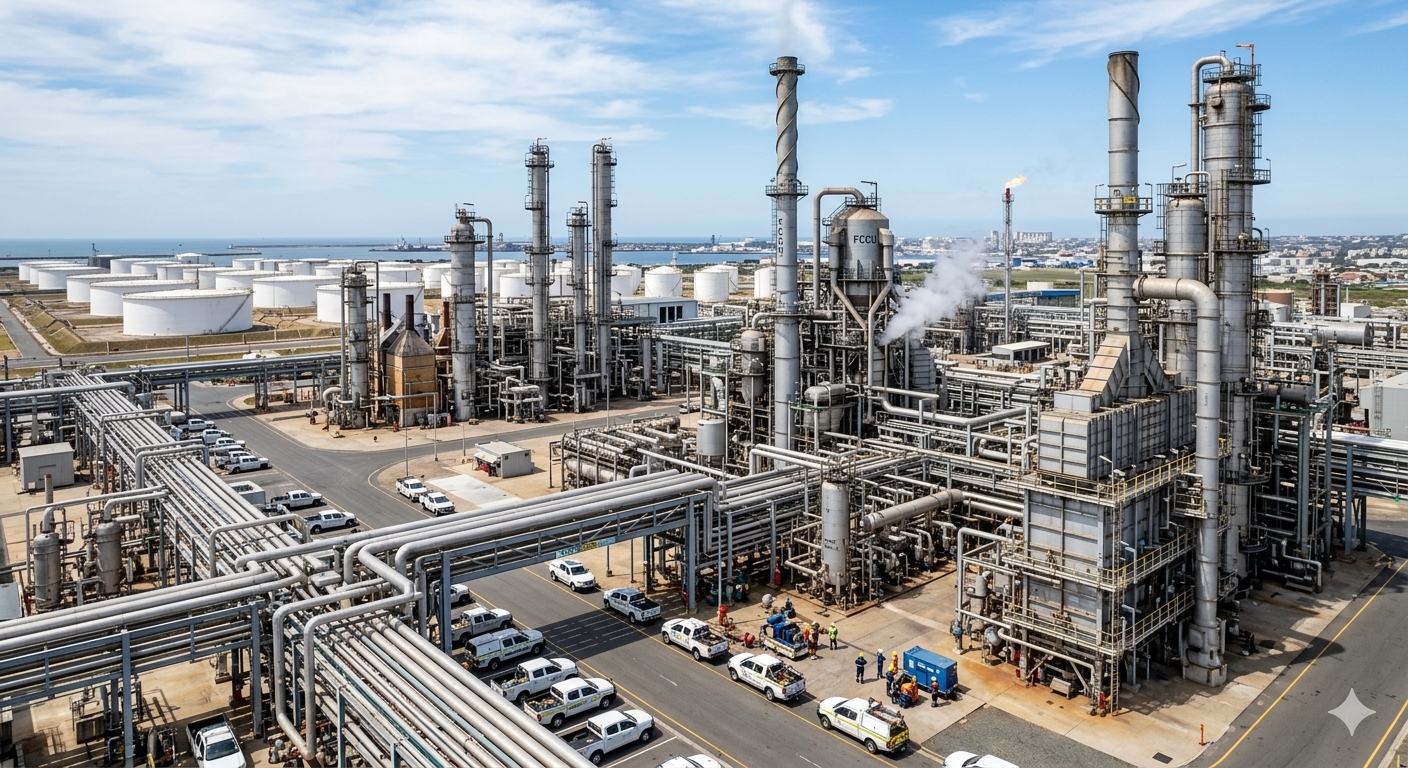
Process facilities contain interconnected assets whose integrity can depend on materials, pressure, temperature, process chemistry, degradation mechanisms, operating history, inspection findings, maintenance, and changes in service.

REPRESENTATIVE ASSETS

Fixed and supporting equipment

Process piping, pressure-containing equipment, vessels, heat-transfer equipment, pumps, compressors, structural systems, and other critical facility assets.

CONNECTED DISCIPLINES

Multiple inputs shape the decision.

Inspection and NDE, corrosion management, materials and metallurgy, mechanical integrity, fitness for service, risk-based inspection, operating limits, maintenance history, and engineering assessment may all contribute.

INDUSTRIAL & ENERGY INFRASTRUCTURE

Integrity extends across connected physical systems.

Industrial operations depend on networks of physical assets supporting production, processing, transportation, storage, utilities, and energy delivery. The integrity question can involve dependencies between assets, changing operating requirements, maintenance priorities, reliability, consequence, and aging infrastructure.

REPRESENTATIVE SYSTEMS

Infrastructure that supports operations

Utility and energy systems, industrial piping and distribution systems, supporting structures and facilities, mechanical equipment, monitoring and control infrastructure, and other critical supporting assets.

CONNECTED EXPERTISE

Asset Performance

Explore the relationship between condition, reliability, maintenance, operating effectiveness, and lifecycle value.

ONE MANAGEMENT DISCIPLINE

The asset may change. The management discipline remains.

Understand condition. Preserve context. Gather the right evidence. Make a defensible decision. Execute it well. Carry the result forward.

ConditionContextEvidenceDecisionExecutionLearning

DIGITAL ENABLEMENT

Connected information can strengthen integrity decisions across every domain.

Integrity software, connected asset data, monitoring systems, analytics, digital twins, modeling, and AI can help bring together information that historically lived across separate systems, teams, and records. Their value grows when asset identity, data quality, operating context, traceability, validation, and qualified judgment remain connected.

ASSET INTEGRITY MANAGEMENT

Individual assets belong to larger operating systems.

SOUBEL connects asset-specific evidence to the wider operating context, decision process, execution, verification, and learning that support Operational Trust.